

كشف النقاب عن الفن والهندسة وراء الأمواج
تتمتع متاحف الأطفال، وهي مراكز نابضة بالحياة للاستكشاف والاكتشاف، بتاريخ عريق يعكس الفهم المتطور لنمو الطفولة وأهمية اللعب في التعلم. فلنبدأ رحلة شيقة عبر العقود، نتتبع فيها أصول هذه المساحات المخصصة للعقول الشابة، ونموها، وتأثيرها التحويلي.
الأصول: بذور الإلهام
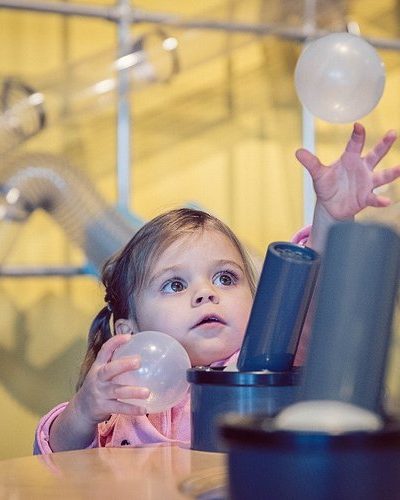
تعود جذور متاحف الأطفال إلى أواخر القرن التاسع عشر، حين بدأ التربويون والمفكرون يدركون احتياجات الأطفال الخاصة لتجارب تعليمية عملية وتفاعلية. واستلهامًا من مجال التعليم التقدمي المزدهر، سعى هؤلاء الرواد إلى خلق بيئات تُحفز فضول الأطفال الطبيعي وتُنمي لديهم حب التعلم.
الرواد الأوائل: متحف بروكلين للأطفال
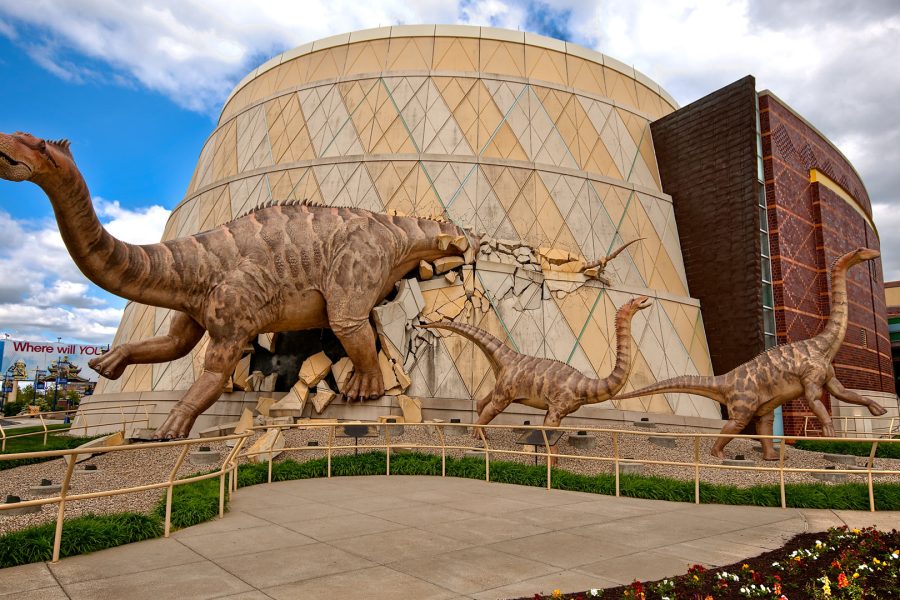
في عام 1899، تحولت الرؤية إلى حقيقة مع إنشاء متحف بروكلين للأطفال في نيويورك. يُعتبر أول متحف للأطفال في العالم، وقد أسسه مجموعة من التربويين بقيادة كارولين براتركز النهج الرائد للمتحف على توفير مساحة يمكن للأطفال فيها المشاركة في "ورش عمل المتحف" والتعلم من خلال اللعب، مما وضع سابقة للمؤسسات المستقبلية.
توسيع الآفاق: منتصف القرن العشرين
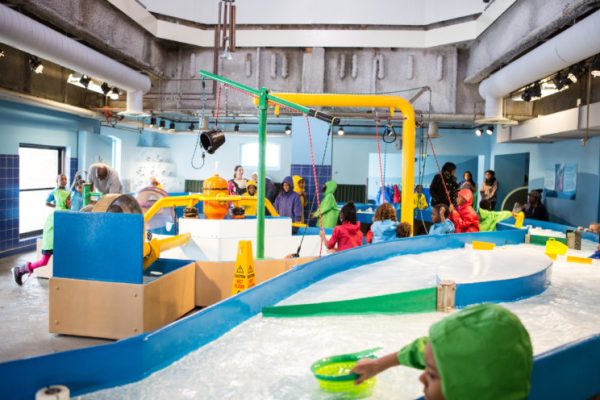
تمهد الرسومات الفنية الطريق لاتخاذ قرارات حاسمة بشأن أبعاد خزان المياه واتجاهات تدفق المياه ومواصفات نظام المياه بشكل عام. يتم تحديد العناصر الرئيسية المستهلكة للطاقة، مثل المضخات والهيدروفورات، بناءً على هذه المواصفات. يعد إبلاغ العميل أو مقاول البناء بمتطلبات الطاقة الإجمالية أمرًا ضروريًا للتكامل السلس.
تشكيل المستقبل: القرن الحادي والعشرين
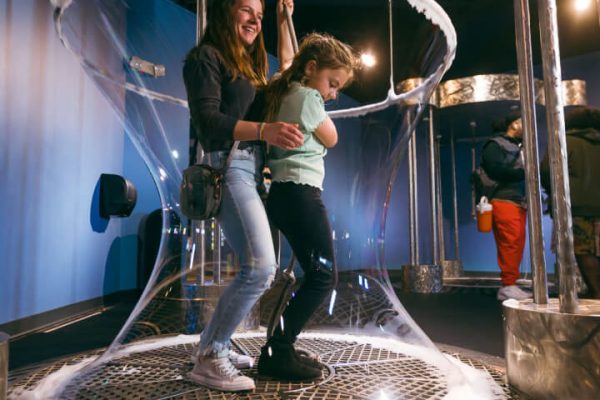
مع دخولنا القرن الحادي والعشرين، تطورت متاحف الأطفال لتلبية متطلبات عالم سريع التغير. وباحتضانها للتكنولوجيا والابتكار، بدأت هذه المؤسسات في دمج معروضات تفاعلية تمزج بين التعليم والترفيه. الاستكشاف في سان فرانسيسكو و متحف الأطفال في هيوستن تجسيد هذا التحول، من خلال توفير تجارب غامرة تجذب الجماهير الشابة.
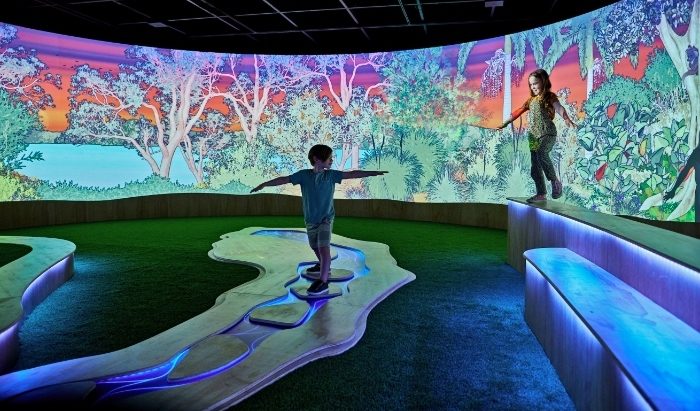
المبادئ الأساسية: جوهر متاحف الأطفال
تشترك متاحف الأطفال، بغض النظر عن حجمها أو موقعها، في مبادئ مشتركة. فهي تُعطي الأولوية للتعلم التجريبي، وتشجع اللعب الإبداعي، وتُنمّي روح الدهشة. ويُميّز التركيز على المعروضات التفاعلية، والأنشطة العملية، والاستكشاف الحر، هذه المساحات كبيئات ديناميكية لتنمية الإبداع والتفكير النقدي.
التطلع إلى المستقبل: استمرارية الابتكار
بينما نتطلع إلى المستقبل، يستمر مسار متاحف الأطفال في التطور. تكامل بخار إن المبادرات المبتكرة في مجالات العلوم والتكنولوجيا والهندسة والفنون والرياضيات، والتكنولوجيا الرقمية، والالتزام بإمكانية الوصول، تعمل على تعزيز هذه المؤسسات كمساهمين حيويين في المشهد التعليمي.
ختاماً، يُعدّ تاريخ متاحف الأطفال سرداً لجهود مُعلّمين ذوي رؤية ثاقبة، ودعم مجتمعي، وإيمان راسخ بإمكانيات العقول الشابة. فمن بدايات متواضعة إلى تأثيرات عالمية، تقف هذه المتاحف كمنارات إلهام، تُغذي فضول وإبداع الأجيال القادمة.

 AR
AR  EN
EN  ES
ES  TR
TR