

Dalgaların Arkasındaki Sanat ve Mühendisliğin Ortaya Çıkarılması
Keşif ve öğrenmenin canlı merkezleri olan çocuk müzeleri, çocuk gelişimine ve oyunun öğrenmedeki önemine dair gelişen anlayışı yansıtan zengin bir tarihe sahiptir. Gelin, bu genç zihinler için ayrılmış alanların kökenlerini, büyümesini ve dönüştürücü etkisini izleyerek, on yıllar boyunca süren büyüleyici bir yolculuğa çıkalım.
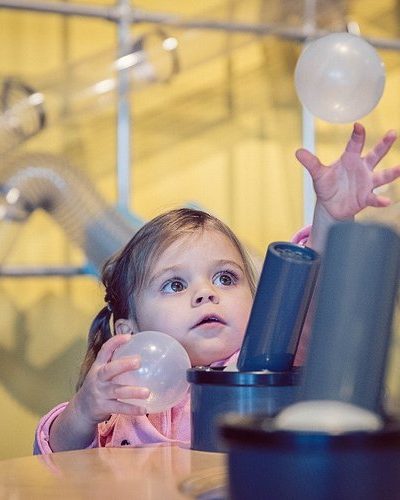
Kökenler: İlham Tohumları
Çocuk müzelerinin kökenleri, eğitimcilerin ve düşünürlerin çocukların uygulamalı, etkileşimli öğrenme deneyimlerine duydukları belirgin ihtiyacı fark etmeye başladıkları 19. yüzyılın sonlarına kadar uzanmaktadır. Gelişen ilerici eğitim alanından ilham alan bu öncüler, çocukların doğal merakını harekete geçirecek ve öğrenme sevgisini geliştirecek ortamlar yaratmayı amaçladılar.
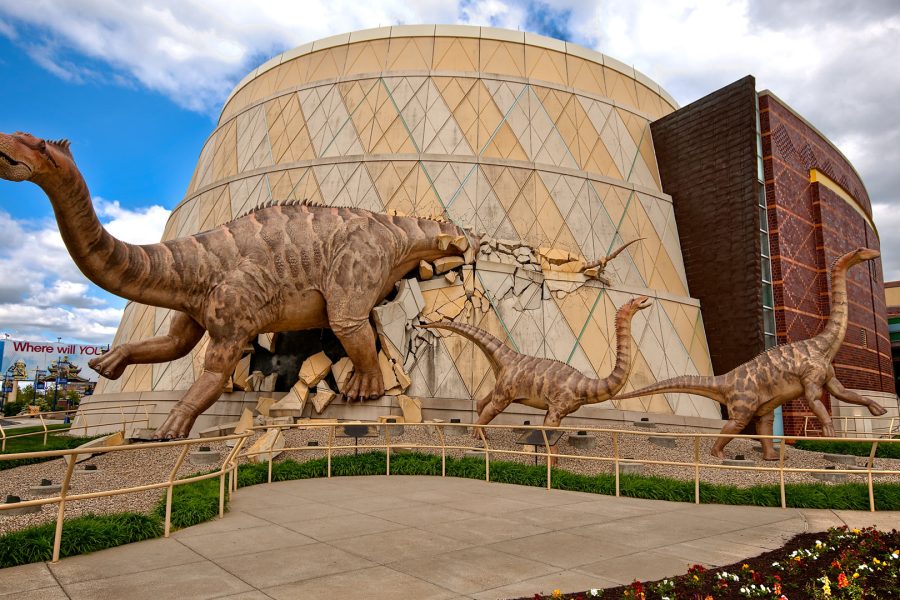
İlk Öncüler: Brooklyn Çocuk Müzesi
1899 yılında vizyon, Brooklyn Çocuk Müzesi New York'ta yer almaktadır. Dünyanın ilk çocuk müzesi olarak kabul edilen bu müze, bir grup eğitimci tarafından kurulmuştur. Caroline PrattMüzenin çığır açan yaklaşımı, çocukların "müze atölyelerine" katılabilecekleri ve oyun yoluyla öğrenebilecekleri bir alan sağlamaya odaklanarak, gelecekteki kurumlar için bir örnek teşkil etti.
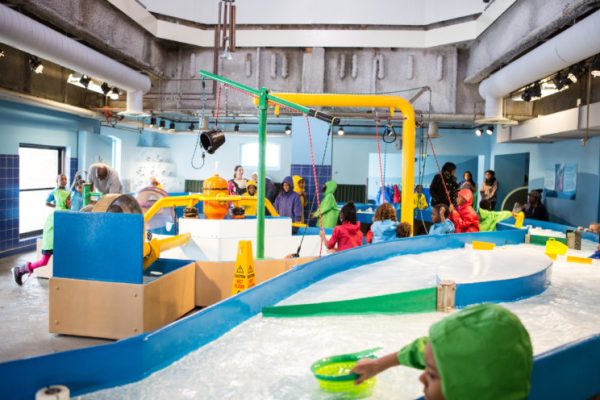
Ufukların Genişlemesi: 20. Yüzyılın Ortaları
Teknik çizimler, su tankı boyutları, su akış yönleri ve genel su sistemi özellikleriyle ilgili önemli kararların yolunu açar. Pompalar ve hidroforlar gibi ana güç tüketen elemanlar bu özelliklere göre belirlenir. Müşteriyi veya inşaat müteahhidini toplam güç gereksinimleri hakkında bilgilendirmek, kusursuz entegrasyon için önemlidir.
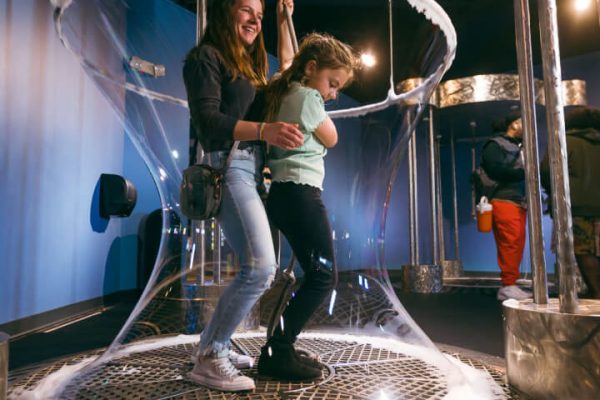
Geleceği Şekillendirmek: 21. Yüzyıl
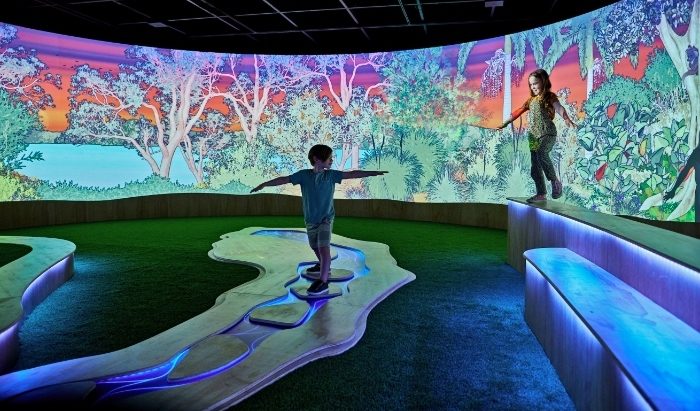
21. yüzyıla girerken, çocuk müzeleri hızla değişen bir dünyanın taleplerini karşılamak için evrim geçirdi. Teknoloji ve yeniliği benimseyen bu kurumlar, eğitimi eğlenceyle harmanlayan etkileşimli sergileri bünyesine katmaya başladı. Keşif evi San Francisco'da ve Houston Çocuk Müzesi Bu değişimi örneklendirerek genç izleyicileri büyüleyen sürükleyici deneyimler sunuyor.
Temel İlkeler: Çocuk Müzelerinin Özü
Çocuk müzeleri, büyüklükleri veya konumları ne olursa olsun, ortak ilkelere sahiptir. Deneyimsel öğrenmeye öncelik verirler, hayal gücüne dayalı oyunları teşvik ederler ve merak duygusunu geliştirirler. Etkileşimli sergilere, uygulamalı etkinliklere ve açık uçlu keşfe verilen önem, bu mekanları yaratıcılığı ve eleştirel düşünmeyi geliştirmek için dinamik ortamlar olarak öne çıkarır.
İleriye Bakış: Yeniliklerin Sürekliliği
Geleceğe baktığımızda, çocuk müzelerinin gidişatı gelişmeye devam ediyor. Entegrasyon BUHAR (Bilim, Teknoloji, Mühendislik, Sanat ve Matematik) girişimleri, dijital teknolojiler ve erişilebilirliğe olan bağlılık, bu kurumları eğitim ortamına hayati katkıda bulunan kurumlar olarak sağlamlaştırıyor.
Sonuç olarak, çocuk müzelerinin tarihi, vizyoner eğitimcilerin, topluluk desteğinin ve genç zihinlerin potansiyeline olan sarsılmaz inancın öyküsüdür. Mütevazı başlangıçlardan küresel etkilere kadar, bu müzeler gelecek nesillerin merakını ve yaratıcılığını besleyen ilham kaynakları olarak durmaktadır.

 TR
TR  EN
EN  ES
ES  AR
AR